Home

Hierarchy Under Stress

In an interview on NPR in 2016,  Shankar Vedanta explained that what we learn early in life is embedded in our brains, citing as examples how we acquire a language or learn to ski.  He described new research by Laura van Berkel at the University of Kansas that applies this rationale to our attitudes toward fairness. Most of our early relationships are hierarchical, typically parent/child or teacher/student, but as we grow older many of us  learn to think of relationships in more egalitarian terms;  marriage as a partnership between equals is a good example.   

For most of us childhood was not a democracy; the traits of self-responsibility and self-reliance had to be learned with increasing maturity.  And it is not an easy transition. As Shelley Berman observed, we teach reading, writing and math by having children do them; we teach democracy by lecture. 

If the things we learn first are entrenched in the brain, then hierarchical ways of thinking underly most of our thought processes. 

Shankar continued by applying this to public policy. For example, someone who wants a more egalitarian world will find income inequality bothersome,  whereas others might be more satisfied with a stratified society divided into high-status and low-status people based on income.  Van Berkel’s theory is that for many of us hierarchical thinking comes more easily and automatically, whereas egalitarian thinking requires more effort, just as speaking one’s first language comes more naturally than speaking a second language.

To test this hypothesis, and under the assumption that when people are drunk they are less inhibited and tend to reveal hidden attitudes, Laura  stood outside bars in downtown Lawrence, Kansas, inviting people to answer survey questions designed to reveal leanings toward  hierarchy or equality, and then asked them to blow into a breathalyzer. 

The findings were twofold.  The first, not surprisingly, was that the higher the blood alcohol content, the more people gravitated towards hierarchy and power; the second was that ideology did not affect the outcome. Both liberals and conservatives endorsed hierarchies when they were drunk, and the more drunk they became the more they stepped away from egalitarianism.

A follow-up experiment involved a game in which people were asked to divide resources.  The finding?  – when people are distracted or under time pressure, they tend to fall back on primary ways of thinking and support hierarchical systems. In this particular instance,  people given less time to think were more likely to divide the resources unfairly and to endorse existing hierarchies.

For me, there were two different conclusions, one of which involved honey bees.  The first is that, in stressful times such as the present, it  is tempting to forego equality in favor of hierarchy, not least in the belief that the powerful and the strong will provide leadership and protection.  As a civilization we’ve experienced this kind of social Darwinism many times before.  For example, in 1795 the French accepted Napoleon Bonaparte as a proven strong and ruthless leader who would rescue them from the hardship and chaos of six years of revolution. And in the stressful times of the First World War and the depression that followed it, not least in Russia and Germany, the electorate was prepared to exchange liberty for security.  The public voted for men (and they were all men) who promised to keep them safe even if it meant infringing on their freedoms.  An intriguing question is how and why 19th century Germany, the country of Mozart, Beethoven, Goethe, Schubert, Mendelssohn and Brahms became the twentieth century country of Hitler, Himmler, Goering and Goebbels. 

Because of the prevailing cultural norms, a colony of honey bees was initially seen as a hierarchy ruled by a king. Only in 1586 was it recognized that the head of the honey bee colony is a female. Six years after Queen Elizabeth I died, her beekeeper, Charles Butler, published The Feminine Monarchie (1609) in which the bees are described as loyal to the queen, refusing any type of anarchy or oligarchy, and laboring incessantly for the good of the commonwealth. It was a description of the ideal Elizabethan society, assuming an all-powerful feminine ruler, and with hindsight was an interesting precursor to the turmoil of the English Civil War. 

Perhaps the 19th and 20th century struggles for a more egalitarian society, as expressed in realms such as gender, civil and sexual rights, were necessary before we could see the queen bee not as a matriarch but as a superb ovipositor without maternal or controlling instincts.  We realize increasingly that a colony is a complex decision-making organism with much of the initiative coming from the workers, and the queen responding to the environment they create. 

So the question becomes, do the bees revert to a more hierarchical behavior as stress in the colony increases?  I’m not certain there is a definitive answer to this but surveillance of an observation hive suggests not.  The workers seem to understand that the survival of the queen is critical for the continuation of the colony and, in my observation, as the number of bees diminish, the queen is protected, groomed and fed until the last minute.  No one bee, worker or queen, seems to be acting for her own particular survival, none seems to assume that she is superior to any other.  The workers are not making decisions for their own self-benefit but for the long term survival of the colony. 

Similarly the decision to swarm is high stress for a colony.  Their future depends on it, they only have one chance at getting it right, and they have to do so within a definitive and restrictive timeline.  There is no leader, no arbitrary  decision maker; rather an egalitarian process that has been honed over millions of years is honored despite the immense pressure.  

I have yet to hear anyone say, “The more I study honey bees the more I realize how dumb they really are.” On the contrary, we are invariably amazed at the intricacy of their lives, not least the sensitive relationship between the individual and the community, and as such they remain a source of wonder and inspiration. 

Functional Bees

In June Mary and I attended a family wedding in a Redwood forest south of San Francisco, and treated ourselves to three days on the Monterey peninsular beforehand.  We drove down the spectacular highway alongside the Big Sur and, at a lunch stop overlooking the ocean, Mary observed that the bride-to-be had been fortunate to grow up in an area that was beautiful and healthy, and in a family that was functional. 

We tried to take a break from politics but could not avoid references to the increasing levels of anger and division in the American populace, divided as it is along political lines.  My sense is that those tenacious feelings are fueled by what is perceived to be the hypocrisy and self interest of our elected representatives, the discord between their words and actions, between their stated values and manifest practices, not least at the national level.

We know only too well how crucial a healthy environment is to the vigor, fitness and survival of a colony of honey bees.  I would suggest too that a colony is a functional family.  According to James Bradshaw, the characteristics of such a family include the desire to cooperate and to fight fair so that differences can be negotiated; the clear communication which reflects a mutual respect for the dignity of others; levels of trust which are created by honesty; the recognition of differences and the uniqueness of each person; roles that are open and flexible, allowing for spontaneity without shame or judgement; ensuring that the needs of all are met; and working communally to resolve problems.

It is not difficult to see these traits in a  healthy honey bee colony.  The swarming process, for example, demonstrates the ability of the bees to negotiate differences in terms of finding a new nest site, and to do so under the life-threatening pressures of time and weather, and perhaps even of humans who feel sufficiently threatened by this natural process to arm themselves with a spray can filled with chemicals designed to kill wasps.  And the scout bees  seem not have an ego – if their choice of nest site is not strongly supported by their colleagues, they investigate instead those sites that do have greater endorsement, thus stream-lining the process.  Forager bees communicate physically in ways we know only too well, but so do the retinue of worker bees surrounding the queens, as does the larvae, emitting pheromones  when they need to be fed or capped.  The roles filled by a honey bee in her short life time are flexible, depending on the needs of the community and the available resources, and each individual seems to understand that there is dignity in work and that ultimately it is the survival of the colony which is the highest priority. 

A functional family does not mean that there are no strong emotions; rather that they are expressed constructively and with mutual respect.   The bees can be angry and defensive when their home and children are threatened, as would we, and which is appropriate. The little book, “At the Hive Entrance,” by Professor H. Storch, first published in German in 1985,  describes how much a beekeeper can learn by observing the bees on the landing board and listening to the different sounds coming from the hive, to the point that in many cases it is not necessary to open the hive to discover what is happening inside. 

Beginning in the eighteenth century we believed that we can, and that we have, surmounted the rules of nature.  The bees remind us what we lost and what we have yet still to learn, not only in terms of our contact with the real world but also in terms of our effectiveness in a close communal setting.  As a reminder,  Bradshaw asserts that 98 per cent of American families are dysfunctional … and the other 2 per cent are liars!  

Growing up I believed that my future life would be spent in the country of my youth, surrounded by friends and family.  Fate intervened in the form of a civil war and gradually our community dispersed to the point that today my sisters and brother live on different continents, and most of my school colleagues and friends live in South Africa, Australia and England, with none that I know of here in the United States. 

I guess we absconded.

Mary, by contrast, is still in contact with many of her school-girl friends, and in July she visited one of them, Maggie, from her high school days,  when the latter came from Portland, OR, for the annual family vacation on the eastern shore.  Maggie’s beloved partner died a year ago and she described to Mary the feeling of loss that still remains.  She has a  wide circle of caring friends, two sons with grandchildren, good neighbors, but what she desperately misses, especially in the afternoons and evenings, is the physical presence of that special someone with whom to talk things over, to share plans and ideas with, dreams and disappointments. 

As best I recall it was the paleoanthropologist, Richard Leakey,  who best promoted the idea that mankind developed because we learned to cooperate, rather than because we became efficient killers. It is a theme that runs through much of his writing and is summarized in his final published work, The Origin of Humankind –  the power of numbers, working in unison, not only proved transformative, but led to features such as social organization, the development of language, art and culture, and human consciousness.  

It is a story of man the communicator rather than man the murderer. Cooperation was more potent than competition, Leakey argued, even as collaboration and teamwork made mankind more competitive.  

It is not a hypothesis that is universally accepted, yet we can agree that communities, by their very nature, contain a diversity of opinion, ideas, and knowledge that an individual does not encounter alone. The synergy that evolves amid a tumult of ideas can be inspirational as well as a challenge to reconsider what one knows and to think creatively.  It feels good to contribute positively to a group, and to be acknowledged as a valuable societal member, recognizing that everyone benefits from worthwhile contributions.  One can share skills, gain from the skills of others, and in those inevitable  difficult times, be surrounded by others who understand what you  are feeling. 

In the essay, Apples and Honey, published in Listening to the Bees, (2018) Mark Winston, after explaining why it is important that many different species of wild bee participate in apple pollination, besides honey bees, writes, “It is similar with human societies : it’s through the cross-fertilization of ideas and talents that we express our best communal selves.  We derive strength and wisdom from our mutual visions, just as the applies are improved by the visits of diverse bees to set fruit.”

Ronnie Janoff-Bulman, writing in Shattered Assumptions, (1992) argues that there are three beliefs essential for a healthy core self : the world is benevolent, the world is meaningful, and the self is worthy.   Too reach our highest cultural potential, he suggests, we need to believe that the world is a good place, that we ourselves are good, and that our lives make sense somehow, that they are not just random chaos. I would add that these necessary convictions are more sustainable in shared community.

The original human groups, perhaps some 60 000 years ago, were concerned primarily with enhancing their chances of survival.  The men would coordinate to  protect the tribe  from carnivores and would allocate roles when hunting for meat; the women would stay in the camp, raising the next generation and providing the emotional and nutritional needs of the family.     “It takes a village …”    

A progressive civilization witnessed the peripatetic gatherings of ancient Greek philosophers, the French salons of the Enlightenment, and the groups that gather to discuss a shared passion, such as managing honey bees. My guess is that most of us have experienced the affirmation, if not joy, that can come from associating with ‘cool beekeepers’ at a local or state meeting, and whereas we might attend initially out of a sense of curiosity, many of us consciously commit to becoming an integral part of this community of shared energy and enthusiasm, with both the individual and communal rewards, not to mention enjoyment and sense of fun that results from collaboration, clear communication, a strong work ethic and social responsibility … as in a bee hive. 

I have known a number of people, friends and family alike, who were left bereaved, and my hope for them was that they would recover gradually and gently from the unimaginable grief.  I did not understand the on-going loneliness that say, my step-mother endured after the death of my father, and because I did not understand it (nor was she able to speak of it, although in retrospect there were hints,) I did nothing to ease it.  Although no words can take away the pain, saying nothing at all makes it worse.

Important as community is, it cannot compensate for the intimacy that comes with sharing one’s life for many years with a beloved. It’s a complex interaction. Just as a honey bee cannot survive for more than 24 hours without her community, so we need the balance between personal endearment and the support and stimulation of a wider fraternity. 

Brain Power

Too often the public views honey as no more than a sweetener, on a par with maple and agave syrup.  There is little awareness of the value of local, raw honey,  or the prevalence of impurities in imported honey.  It is easy to think we beekeepers are alone in our concerns, and perhaps there is a lesson to be learned from another product that invariably is taken for granted. 

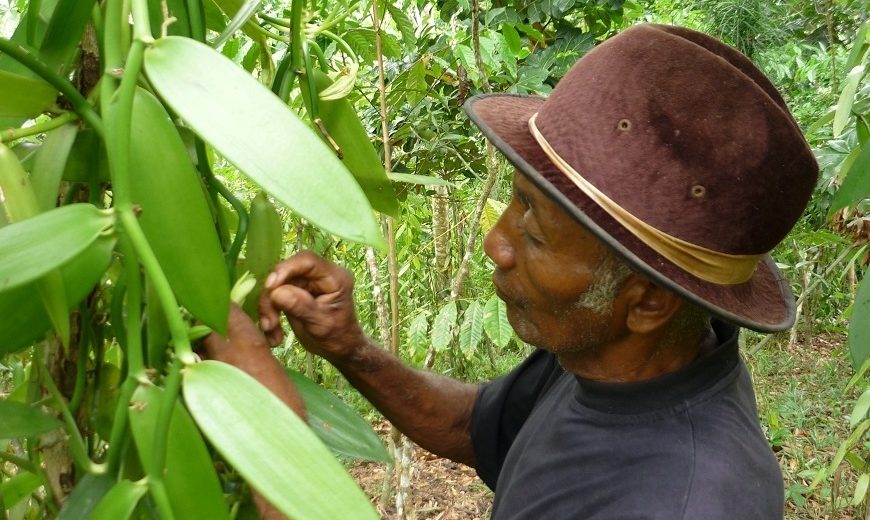
Vanilla is an orchid native to Mexico, which today is only a minor producer, having been overtaken by Madagascar and Indonesia in the 1960s. The combination of high humidity, shade, and moderate temperatures at the forest shore line is perfect for growing vanilla on these latter two islands.  It grows as a clinging vine, reaching lengths of up to 300ft; the pale white orchids bloom for just one day each year and the flower is fertile for only 8 to 12 hours after it blooms.  The initial challenge was that outside of Mexico, no fruit, in the form of vanilla beans, was produced. Horticulturists eventually discovered that the pollen on a vanilla orchid flower is inaccessible to most insects, including honey bees; only the small Melipona bee, which is peculiar to  Mexico, was able to reach the pollen and hence to fertilize the flowers. 

According to Nancy Kacungira , on the BBC web-site, an enslaved boy named Edmond Albius, on the island of Réunion which is a northerly neighbor of Madagascar,  invented a painstaking way of pollinating by hand.  Using a sharp, thin stick, he lifted the fragile membrane between the male and female parts of the flower and  then pushed one into the other, thus facilitating pollination. This was, and still is, the necessary process for every single flower on every vine to produce the fruit – pods filled with thousands of the tiny black seeds we eventually see, for example, in high-quality vanilla ice cream.  

Dates and vanilla are the only major crops today that are almost entirely hand pollinated.

Madagascan vanilla farmers have to check their plants every morning – to miss the fertilization window for a flower, or to damage the plant, is to lose out on precious pods.  It takes approximately  250 blossoms pollinated by hand to produce 1 pound of cured beans, which are worth about $200, a hefty sum in a country where the average annual per capita income is $1,500.

It takes  nine months for the vanilla pods to mature, after which they are harvested. The still-green beans start to ferment quickly, so buyers must be found fast. Small farmers typically sell green pods to middlemen who gather large amounts to sell to local exporters.  An industry flush with cash attracts unscrupulous new entrants, many of whom pay advances even before the farmers have planted any vines, who in turn end up having to steal from others to fulfill the orders.  To deter theft, the farmers are stamping their names, or sometimes serial numbers, on to individual pods while they’re still on the vine. Even when the pods are dried, the markings are legible.

The robberies are often violent, with dozens of murders in Madagascar linked to vanilla and little protection or investigation from the police  Some growers have taken the law into their own hands – in one village, a machete-wielding crowd descended on five suspected gangsters, hacking and stabbing them to death.

There is an environmental impact too as vanilla prices soar. Increasingly more of the 

forest coastline this being burnt so that vanilla can be planted. Inside the forest, home to endangered lemurs, trees are cut down that will take hundreds of years to re-grow. 

Plants, insects and animals that relied on a delicate balance start to disappear, and lemurs will no longer have a vital food source A fragile ecosystem is being badly damaged to cater for global demand.

Analogies to the honey bee industry, the violence aside,  are evident – Chinese pear growers pollinating by hand; proposals to use mechanical drone pollinators; the length of  time needed to produce a crop; the relatively  low price for the product related to the work involved; middle men who import and mix different strains; increasing  hive thefts to the point that some beekeepers are inserting computer chips in their hives; and the degradation of a pollinator-friendly environmental system.  Whereas the price of honey is relatively stagnant, the 80 000 vanilla growers are making more money than before but their small plots produce limited amounts of beans. It is the middlemen and the exporters who are raking in the big money.

But here is the kicker.   If you’re eating something vanilla-flavoured or smelling something vanilla-scented, it’s probably artificial. As they work their way upward through the chain, vanilla pods become increasingly expensive (earlier this year the price of vanilla per pound was higher than silver,) the quality is not any better, and vanilla options were removed from many European menus for ice cream, creme brulées, cup cakes and candles.  This at a time when more customers are wanting to eat authentic food and shying away from chemicals and lab-produced substitutes. Scientists have been making synthetic vanillin – the compound that gives vanilla its aroma – since the 19th century, extracting it  from coal, tar, rice bran, wood pulp and even cow dung. Today, the vast majority of synthetic vanillin comes from petrochemicals and can be twenty times cheaper than the real thing.

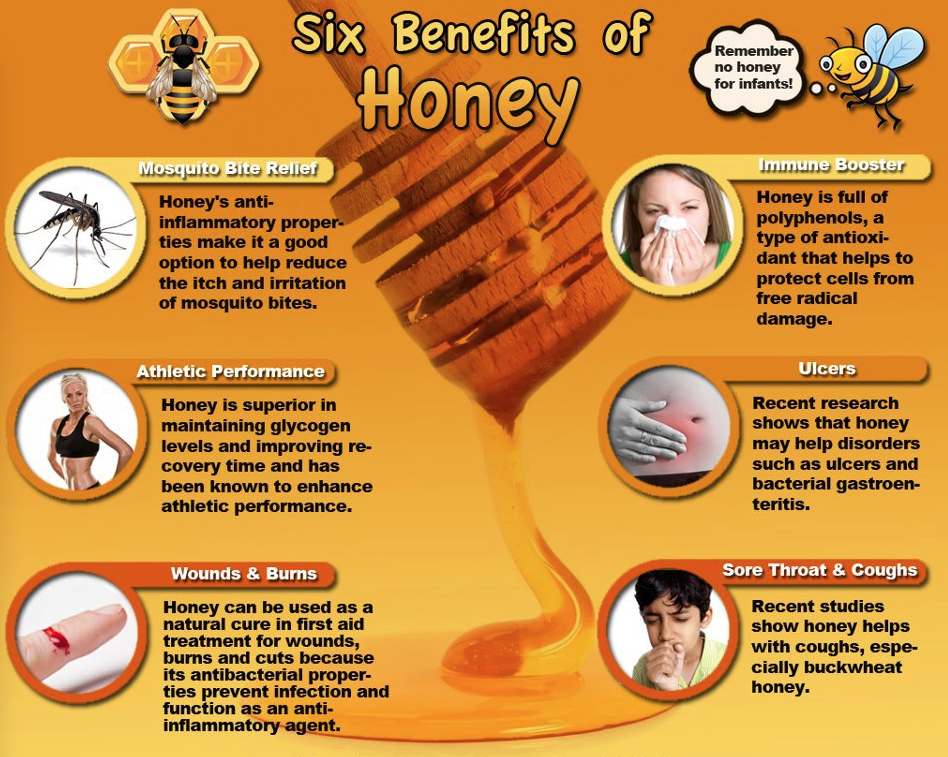
Beekeepers are familiar with undeclared synthetic substances in honey, especially that which is imported.  As a sweetener, adulterated honey is lamentable although not critical, but if honey is to be advocated as a health food, product integrity is critical.  Raw honey can be promoted for weight management, as a natural energy source, as an antioxidant powerhouse, to promote restorative sleep, as a wound and ulcer healer, a diabetic aid, a natural cough syrup and as a possible counter to pollen allergies. Most important of all, and  the ultimate selling point, is that honey is the most potent brain food of all and is an integral part of the critical evolutionary steps that helped define our species. 

In a TED talk  titled Hunter-gatherers, Human Diet, and Our Capacity for Cooperation, Alyssa Crittenden, a nutritional anthropologist at the University of Nevada, Las Vegas, outlines the findings from  her fourteen year long study of the pre-agricultural, nomadic Hazda people in Tanzania.  For example, she recounts how men interact with the honeyguide bird as it leads them to a feral honey bee nest and sits on a nearby branch as the honey hunters scramble up a baobab tree, using burning embers to retrieve comb honey.   Most striking to her was the excitement of the children as they anticipated, and then shared, the rich food source as it was brought back to camp.  She realized that, “‘Every foraging population for which were have data targets honey.  Every ape species eats honey.  It’s nutritionally rich.  It’s highly preferred.”  Honey is the highest ranked food for the Hazda, and makes up more than 15 percent of their daily calories.  To convert that into modern terms, and if we accept that 2250 calories indicate a modern healthy, balanced, daily diet, then based on the Hazda example, 335 of our calories should come from honey, which is equivalent to a little over 5 tablespoons, or 110 grams, per diem.

In his remarkable new book, Buzz : The Nature and Necessity of Bees, Thor Hanson explains in some detail how for centuries it was assumed that the natural counterpart of the honeyguide was the honey badger, that the two worked in tandem, until it was realized that the latter is nocturnal and the hours of their respective foraging barely overlap.  Hanson describes the now accepted theory that the honeyguide and early hominids co-evolved some three million years ago, and that honey, collected and shared as the Hazda still do,  played a critical evolutionary role in helping to define our species. 

“The brain is an obligate glucose consumer,” Alyssa explained to Thor. Because the brain burns energy for both neurotransmission as well as cell function, it can consume up to 20 percent of our daily energy requirements even as it weights only 2 percent of our body weight. It demands all that power in the form of glucose, and no natural food contains more glucose in a pure, digestible form, than honey – one third is pure glucose, with the balance being fructose.  It is the most energy-rich food in nature, Alyssa stresses, and there may be a connection between the typical sweet tooth of children and a craving for honey to feed their active, hungry growing bones and brains.

If one lines up the skulls of hominids over the last three million years, from Lucy (Australopithecus africanus) to modern humans (Homo sapiens sapiens) one is struck by the rapidly expanding brain case (an increase of 250 per cent in all,) the retraction of the lower jaw and a reduction in the size of the teeth. Most theories for brain expansion credit increased meat consumption through hunting, the use of tools to gather and prepare new food sources, and the control of fire.  Alyssa argues that early humans could not have afforded the metabolic expanse of larger brains without an accompanying boost in calories, and that honey needs to be added to the hypothesis. After all, hunting would have increased exposure to feral bee nests, the new tools would have facilitated the collection of the honey therein, and the control of fire would have provided the smoke necessary to calm the bees.   Add to that the additional proteins and further micronutrients provided by larvae and pollen taken from the feral hives, and we have a formidable nutritional stimulant. 

The challenge, of course, is material evidence, and the expectation is that studies of prehistoric dental plaque will turn up traces of honey from each of the key points in our evolutionary history. 

So yes, today we have a more extensive choice of food, not least sweeteners, but honey must not be relegated to  evolutionary history.  It is a potent brain food as relevant today as it was three million years ago, and we need to promote it as such. 

The Hot War .2

Many of us have experienced an increased awareness of the natural world through the activities of honey bees – what is in bloom and when, the response of plants to daily and seasonal temperatures and rainfall, the flow of nectar and pollen at differing times of the year,  what flora attracts honey bees, the reaction of bees to environmental toxins – and while most of us began managing honey bees for a variety of personal reasons, what keeps many of us involved is a fascination with this amazing superorganism and it’s interaction with the immediate environment.

But honey bees also invoke a larger perspective.  I for one had a rather simple, even romantic, view of agriculture. One of the few things that humankind has in common is the need for food and water; indeed it was the discovery of agriculture some 10 000 years ago that was the trigger for the development of civilization.  For more than 95 per cent of that time, farming respected and adhered to the inherent laws of nature, in the same way that beekeeping was initially more about the needs of the bees than it was of the beekeeper.  Farms were limited in size, dependent on what could be managed well by the farmer and family.  A variety of crops with a healthy mix of domesticated animals (which supplied the necessary fertilizers)  were determined by the local natural resources, climate, geology, geography and local cultural norms.  

My pre-beekeeping view of the industrial revolution could be summed up as economically advantageous and socially divisive; there was little awareness of a post-industrial agriculture characterized by 5000+ acre farms with monocultures that ignore the law of interdependence with the natural environment.  A classic example is ripping out orange trees in California, an area with major water  issues, to plant almonds trees which require some 35 gallons of water per tree but provide a higher immediate financial return.   Monocultures necessitate massive amounts of chemicals in order to protect the nature-estranged, weakened crops from being overtaken by insects, fungi, and bacteria.  In the case of genetically altered, factory-farmed animals, the adverse effects are masked by administering daily rations of antibiotics.  According to a recent EPA report,  the US  administers 1400 tons of pesticides per day nation-wide.  No wonder a headline in the New York Times in November last year read, The Insect Apocalypse is Here.  

The core of agriculture, as well as of culture, depends on the basic act of cultivating, of caring, of nurturing.  Modern farming is almost exclusively based on extracting, manipulating and controlling, aspects which seem to be overtaking our lives, our economy, and even our politics at a rapidly increasing rate.  As early as 1924 Rudolf Steiner warned that “(U)nder the influence of our modern philosophy of materialism, it is agriculture – believe it or not – that has deviated furthest from any truly rational principles. Indeed, not many people know that during the last few decades the agricultural products on which our life depends have degenerated extremely rapidly.” Today, the explosion of the ‘supplements’ industry is an obvious sign that our food is not providing what we need in terms of nutrition and nourishment, with immense implications for public health. 

In October, 2017, in Europe, the Krefelder study revealed that over the last three decades 75% of all flying insects, as measured by mass not by numbers,  have disappeared. In Germany, 41% of 560 species of native bees are on the endangered list or already extinct.  In the US, the Xerxes Society estimates that 28% of all North American bumblebees are facing some degree of riskof extinction and we don’t have accurate numbers for the 4000+ species of native bees.  And in the last two weeks there have been dire reports of the future of birds and trees in Europe. 

“We have a global mass extinction at a speed not achieved since the time of the dinosaurs”, said Andreas Segerer in February 2019, head of the ecological state collection in Munich. But there is a huge difference between the extinction of dinosaurs and the extinction of insects : unlike the former, the latter play a fundamental role in providing healthy ecological  edifices.  

At Apimondia last month in Montréal it was intriguing to note how frequently the term ‘climate change’ appeared in the presentations (of which here were 364 in all) without any qualification – no ifs, ands or buts. Peter Rosenkranz   from the University of Hohenheim in Germany observed, almost as an aside, that southern Germany no longer expects snow in winter. 

Agri-culture has been replaced by agri-industry, on the altar of which the care of the land, the animals, the water and the air is sacrificed. We too are part of this surrender, accepting without question cheap, mass-produced food, not asking why, in the US for example, why there are more people in prisons than on farms, or why nationwide the farmer suicide rate is more than double that of veterans.

None of this would have been in my consciousness without the honey bee. 

Over my life I’ve seen some enormous changes. After the Birmingham (Alabama) bombing, for example.  After Selma, after  Vietnam and Mai Lai, after  Nixon and Watergate, after the Soweto Riots.  The demolition of the Berlin Wall, the release of Mandela and the collapse of the USSR happened within five years of one another.   The civil revolution that followed the genocide in Rwanda occurred parallel to the changing verdict on the connection between the use of tobacco and lung cancer, and more recently, the use of glyphosate and cancer.  The pendulum can swing suddenly. The public can change its mind.

Not only is beekeeping a gateway drug but beekeepers are the gatekeepers of a new vision.  Our responsibility is to tell the story that the honey bees tell us.  As with Edward Murrow in 1940, reporting the truth is the only basis for any moral authority.  Colony Collapse Disorder in 2006 was a demonstration of how reporting the truth about toxic house disorder  can be energizing. 

With no silver bullet, what do we do? We can be activists in our individual capacity, by supporting the farmers and nurseries who grow food or grow plants organically or biodynamically. But, argues Bill Moyers, we must also cooperate as kindred spirits on a mission of public service. We must create partnerships to share resources. We must challenge those in power to act in the public interest. We must keep the whole picture in mind and connect the dots for those not privileged to hear bee-speak.  We must look every day at photographs of our children and grandchildren, to be reminded of the stakes.

We will not be alone.  Who would have thought that, in 2019,  a company making meat-free burgers could be worth almost $4 billion; that the world’s most powerful oil cartel would brand four million striking students as the ‘greatest threat’ to the oil industry;  that climate change would become a key issue for Democratic candidates in the 2020 presidential election, or that a 16 year old Swedish girl would lecture a rapt US Congress on their lack of initiative and responsibility? 

Just as Brexit and the Ukraine-gate are currently preoccupying the media in Britain and the USA respectively, neither is worth a hill of beans, so to speak, if Mother Earth is no longer habitable by humans.  (The bees, of course, don’t care one way or the other.  Without us they will be just fine.) 

There is no doubt that a real change in course will be highly disruptive of our conventional way of life, but if we fail to heed the message there will no longer be a normal way of life left.  In the first scenario, we will be in charge; in the second one future generations will suffer the consequences of our neglect.  

“The worst lies are the lies we tell ourselves,” wrote Richard Bach, author of Jonathan Livingstone Seagull.  “We live in denial of what we do, even what we think. We do this because we’re afraid.”

The Hot War is Here

In The Murrow Boys: Pioneers on the Front Lines of Broadcast Journalism, Stanley Cloud and Lynne Olson describe how a young Edward Murrow, together with  the men he hired to staff CBS Radio, spread across Europe as the Phony War of 1939–40 played out, much like the slow-motion catastrophe of global warming plays out in our time. They saw the threat posed by the Nazis yet struggled to get the attention of an American public that was still reeling from the Great Depression.

In September of 1939, with Europe hours away from going up in flames, the powers at CBS in New York ordered Murrow and William Shirer to feature an entertainment broadcast spotlighting dance music from nightspots in London, Paris, and Hamburg. Murrow in London called Shirer in Berlin.  “They say there’s so much bad news out of Europe, they want some good news. … The hell with those bastards in New York. It may cost us our jobs, but we’re just not going to do it.”

And they didn’t. In defying their bosses they gave CBS one of the biggest stories of the 20th century – the invasion of Poland.  Yet even as German panzer divisions gathered on the borders of France and the Low Countries, the powers in New York resisted.  “My God!,” Shirer fumed. “Here was the old continent on the brink of war…and the network was most reluctant to provide five minutes a day from here to report it.”

In September 1940, in the middle of the London Blitz, a Gallup poll  showed that only 16 percent of Americans supported sending US aid to beleaguered Britain. Olson and Cloud tell us that “One month later, as Murrow and the Boys brought the reality of it into American living rooms, 52 percent thought more aid should be sent.” Americans had taken one step toward the fight against fascism, and some young, proud, defiant reporters helped take it. They were not the only reason, to paraphrase part of a speech given by Bill Moyers on April 30, 2019, at a conference organized by the Columbia Journalism Review and by The Nation, but they were there, on the right side, at the right time, in the right way—reporting on the biggest story of all, the fight for freedom  from tyranny.

Bill Moyers continued,  “Many of us have recognized that our coverage of global warming has fallen short. There’s been some excellent reporting by independent journalists and by enterprising reporters and photographers from legacy newspapers and other news outlets. But the goliaths of the US news media, those with the biggest amplifiers—the corporate broadcast networks—have been shamelessly AWOL, despite their extraordinary profits. The combined coverage of climate change by the three major networks and Fox fell from just 260 minutes in 2017 to a mere 142 minutes in 20l8—a drop of 45 percent, as reported by the watchdog group Media Matters.”

Many of the news outlets in the US that have survived the culling of the traditional media have failed to counter the tsunami of deceptive propaganda unleashed by fossil-fuel companies and those whom Moyers calls “the mercenaries, ideologues, and politicians who do their bidding.”

It is easy to deny that which is inconvenient to one’s paradigm.

Last October, the UN Intergovernmental Panel on Climate Change, a scientifically conservative body, gave us 12 years to make the massive changes necessary to reduce global greenhouse-gas emissions to 45 percent of 2010 levels, and to net zero by 2050. In July of this year a similar body said that that 12 years is, more realistically, 18 months. Tom Engelhardt, author ofTomDispatch.com, describes  humanity as now on a suicide watch.

We are all familiar with the stripping away of forests in Indonesia, of destructive developments in India and China, of rising sea levels in pacific atolls and Miami, of melting ice at both poles, of disastrous spring crops in Nebraska, Iowa, Kansas and Missouri.  The temperature in major European cities, as I write, is in excess of 42 degrees celsius, the second major heat wave of this summer.  According to the EU’s Copernicus Climate Change Service, “Every month this year ranks among the four warmest on record for the month in question.”

And then there are the unanticipated  stories.  In the third week of July, for example, drought in Zimbabwe caused a drop in the levels of Kariba Dam.  The hydro-powered generators are producing only one fifth of the electricity needed by the country, which means that the power grid is shut down for 17 hours of every day.  Take a minute and imagine your daily life based on seven hours of electricity.  There are unprecedented wild fires in the Arctic Circle (Russia, Greenland, Alaska and Canada) caused by lightening strikes on vegetation which is drier than usual because of record-breaking summer temperatures., not to mention the 70 000 wild fires out of control in the Amazon forests- the so-called ‘lungs of the earth.’   And as with many reptiles, the gender of sea turtles is determined by the temperature surrounding the egg shell before the embryo emerges; warmer temperatures mean more females and very few males, which obviously threatens  the survival of this species.  

Warmer temperatures enlarge the hospitable environs  for invasive insects and pathogens that have wreaked havoc on ash, elm, and chestnut trees, wiping some of them almost completely from American forests. A study by Prof Songlin Fei of Purdue University shows that the carbon storage lost to pests each year is the same as the carbon emitted by five million vehicles and  that trees killed each year by the 15 most invasive pests contain six million tons of carbon.

The good news is that, according to Bill McKibben, this is ‘a climate moment’ which, with the emerging leadership of young people, not least GretaThunberg, offers a rare opportunity “to lock in and consolidate public opinion that’s finally beginning to come into focus.”  And this is despite a US government that scorns reality as fake news, denies the truths of nature, and promotes a theocratic theology that views catastrophe as a sign of the returning Messiah.

David Wallace-Wells, inThe Uninhabitable Earth , explains that we have all the tools we need aggressively to phase out dirty energy, to cut global emissions and to scrub carbon from the atmosphere.   What we need, he adds, is the “acceptance of responsibility,” and it needs to happen quickly.  Everyone reading these words is a member of the most important generation that ever lived, because we are determining the future, not just for a hundred years, as Dave Foreman asserts, but for a billion years. 

How do honey bees and beekeepers fit into this picture?  Mass bee deaths were cited in 24 of Russia’s 85 regions, with 300,000 bee colonies having died over June and July, 2019 – the peak months for honey harvesting.  In France the spring was characterized by late frosts and winds from the north that dried out flowers, resulting in a severely limited nectar flow. This is the tip of an iceberg that we will explore more deeply in the next post. Suffice to say the climate change phony war is over. The hot war is here, and beekeepers have a key role to play.

Fluid and Crystallized Brains

An article in the July, 2019, issue of The Atlantic by Arthur Brooks references the work of the British and American psychologist, Raymond Cattell.  Born in England in 1905, he studied at the Universities of London, Exeter and Leicester before moving to the US in 1937, researching at Columbia and Harvard and finally settling at the University of Illinois.  He died in Honolulu at the ripe age of 92. 

His interests and publications were wide ranging, but of import to us is his theory of general intelligence, published in 1971, which distinguished between fluid and crystallized intelligences. 

Fluid intelligence is the ability to reason, analyze, and solve problems using skills such as comprehension, problem solving and learning.  It depends on working memory capacity, localized in the prefrontal cortex,  a region of the brain that degenerates faster than other cortical regions as we age.  Fluid intelligence, he argued, peaks at around age 20, and then gradually declines.

Crystallized intelligence, by comparison, is  the ability to use knowledge gained in the past.  It is like having access to a large library and knowing how to use it.  Unlike fluid intelligence, which is inductive, crystallized intelligence is deductive, and as such is  the essence of what we call wisdom.  This ability to examine issues from a wide variety of experiences increases through one’s 40’s, Cattell suggested, and diminishes only much later in life. 

An example he used was that of a young engineer with a more fluid intelligence who  might focus on the theory of engine functioning, while his older colleague who, having worked on airplane engines for 30 years, might have a significant  amount of “crystallized” knowledge about the practical workings of these engines.  These two types of abilities complement each other and work together toward achieving a common goal.

In a more modern world, most successful tech entrepreneurs create their start-up companies early in life, and studies by Dean Simonton show that poets tend to have written more than half of their creative life output by the age of 40, whereas historians, who rely on a crystallized stock of knowledge,  don’t  reach this milestone until the age of 60. In colleges and universities, younger professors are typically research-oriented, while their older kin enjoy teaching (which requires a large store of fixed knowledge) and get better evaluations from their students. 

There are exceptions of course, but no matter what our vocation, as we age we can dedicate ourselves to sharing knowledge in some significant way.  Such is the role of grandparenting. 

In my case, I am resistant to learning to having to learn new skills, even as it was once a challenge I relished.  This can be as simple as mastering a new phone, a new remote control for the TV, or, heaven forbid, an up-dated computer operating system!  And yet I could not have written these articles earlier in my life, when I was busy living the various experiences that now weave their way through the various installments.   Only with time have I begun to see some of the connections, to make some sense of what otherwise appeared random. 

Hindus have a similar, though four-stage (called ashramas) developmental process.   The first, Brahmacharya , is that of youth and young adulthood dedicated to learning.  The second, Grishastha, is that time of building a career, accumulating wealth, and creating a family.  One of life’s traps is to become attached to earthly rewards – money, power, sex, prestige –  and try to make it last a lifetime. The third is Vanaprastha, as one studies and trains for the last stage of life, which is Sannyasa, when one is dedicated to the fruits of enlightenment.

The lesson, irrespective of belief system, is that, as we age we need to resist the conventional lures of success in order to focus on more transcendentally important things, to move beyond common thought and experience to a more mystical and supernatural mode of awareness.  

We know that honey bees have brains that are capable of learning, and although they are small – the size of a sesame seed, which is 20 000 times less massive than our own – they contain about one million neurons, compared to 100 billion in the human equivalent, and are ten times more dense than a mammalian brain.

The bee brain is a sophisticated sensory system which provides excellent sight and smell abilities with the ability to make complicated calculations on distances for different locations as well as the ability to remember various colors and different landmarks.

So the question arises, is the brain of a young honey bee more fluid and does it crystallize with age, like our own?  We know that the young worker bee goes through a variety of tasks, starting with cleaning out her cell and progressing to tending to the queen, receiving nectar, disposing of dead bees, feeding brood and defending the hive.  The signals for each stage are partly environmental, partly pheromonal, but is it the younger fluid brain that makes the worker responsive to system of constantly changing tasks?

After about four weeks, when she has accumulated a variety of knowledge and experiences within the hive, she becomes a forager for the last two weeks of her life.  It is not a simple transition in that learning the layout of the local environment clearly requires fluidity, and she can change what she collects and how much of it she brings home depending on the signals she receives from the house bees. But is it possible that even as her brain is crystallizing,  her astute knowledge of the complex workings of a hive provides the wisdom needed to perform one final, extensive and complex task essential to the colony’s wellbeing?

Synchronistically, in his Fall newsletter, Gunther Hauk offers another variable on this concept.  With the flexibility and coalescence of the colony, the superorganism, in mind, he writes, “Now comes the miracle par excellence: a queen can lay 1500 to 2000 eggs per day and, lo and behold, the weight of these eggs surpasses her own body weight! The nearly unending source of food she receives from the worker bees attending to her every need is being digested and almost instantly transformed into eggs. Is it any wonder then that the denatured food the honey bees receive from humans, in the form of sugar or corn syrup – fed to them for their winter provisions – results in a lower quality of food for the queen?”

“Add to this the poisons the foragers bring home with their bounty of nectar and pollen – we know that these have a cumulative effect even in the highest dilutions – and we have two major causes for the present-day epidemic of brood diseases, foul brook and chalk brood. Additional reasons are the artificial raising of queens from worker larvae, as well as the lack of a diversified diet due to medicinal ‘weeds’ being eliminated in our ‘clean’ agriculture, or more often than not, monoculture.”

All of these factors are bad enough, but add to these the stress that millions of queens

experience, being shipped like spark-plugs long distances and then introduced into existing colonies as strangers. Is it any wonder that within the last 45 years queens’ life expectancy has more than halved? Today, queens rarely live longer than one or two years. A side effect of this quick turnover is often ignored: the resulting youthfulness of a colony. Youth is highly valued in our modern society, but we fail to acknowledge that in our modern bee colonies a healthy maturing process is now missing, and with it the accompanying wisdom that comes with age. Resourcefulness is usually learned from life experiences, which present a diversity of problems to be solved. Youth in its exuberance tends to be more inept at coping with problems.”

As the C17th Welsh priest and poet, George Herbert, suggested, “Life is half spent before we know what it is.” 

The Power of the Workers

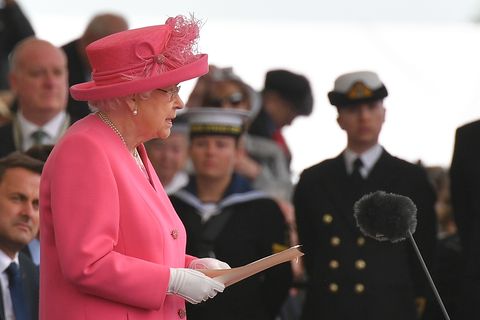
On June 5, 2019, a ceremony was held in Portsmouth to mark the 75th anniversary  of the launching of the flotilla that was to become known as D-Day.  A number of world leaders were at the ceremony, including Angela Merkel from Germany, but the focus was on those who served, including some two hundred veterans, those who built the landing craft, manned the radios and the radar, deciphered the German codes, packed the parachutes, and flew the planes that pulled the gliders carrying the parachutists (one of whom, aged 97, repeated his drop into Normandy the next day.)  Yes, Donald Trump read a poem and Theresa May read a letter from a soldier who did not survive, but there were no self-serving speeches – the focus on ‘the workers,’ whose courage, heroism and sacrifice was unquestioned, gave it an emotional power that was universal. 

With remarkable simplicity, Queen Elizabeth, herself 93 and of that generation, said “It is with humility and pleasure … that I say to you all, thank you.”  

Similarly the third week of July was the 50th anniversary of Apollo XI and the moon landing. The space suits worn by the three astronauts were composed of 21 layers of nested fabric, meticulously stitched together by teams of women from Playtex, the company that brought us the “Cross Your Heart” bra.   The capsule was heat-proofed by filling 370 000 cells with a special epoxy, sealed one at a time by ‘gunners’ who trained for two weeks before having access to the heat shield.  With re-entry speeds of 25 000 mph and temperatures of 5000 degrees Fahrenheit, just one bad cell could have been fateful.  Apollo’s parachutes were sewn and folded by hand; the three people licensed to do this were considered so essential that NASA forbade them from traveling in the same car together. 

The story of the race to the moon is told invariably from the perspective of the astronauts, which is enthralling and adventurous but also narrow.  More than 410 000 people worked on the Apollo mission (more than the number of Americans who fought in Vietnam over the same period,) yet their various roles have been largely forgotten.  Every hour of the spaceflight was supported by one million hours of preparation, (the latter is equivalent to the work of ten individual life times) and each of those workers, in each of those hours, knew that their product had to be perfect if the mission was to be successful.   Which is was. 

Two weeks prior to the D-Day celebrations and seven weeks prior to the Apollo commemoration, Mary and I were in Rochester, NY, for a wedding. Mary toured the Susan B. Anthony Museum (the house in which she spent the latter part of her life) after which we went in search for Ms. Anthony’s grave.  Born into a Quaker family, Susan was a social reformer, abolitionist and women’s rights activist who played a pivotal role in the women’s suffrage  movement  ( 2019 is the centenary of women gaining the right to vote in the US.)  In recognition of her many achievements  Susan’s 80th birthday was celebrated in the White House at the invitation of President William McKinley and she became the first female citizen to be depicted on U.S. coinage when her portrait appeared on the 1979 dollar coin.

She is buried in the Hope Cemetery in Rochester, a 200 acre plot with literally thousands of graves, most of them marked with steles 20 feet high, big gated crypts, or massive blocks of engraved granite.   Susan, by contrast, lies next to her sister, their headstones perhaps 2’ high with no more than their names and dates of birth and death on them. Apparently this had been her insistence before she died. 

Coincidentally Frederick Douglas, the nineteenth century civil rights campaigner,  is buried not far away, and he too had a simple memorial although his children later enlarged it. 

The irony was startling.  Susan B. Anthony is surrounded by the massive tombs of clearly affluent people and yet she, who had achieved so much of national importance, lies in humility, allowing her achievements to speak for themselves.   She was a Quaker to the core – modest, lacking in pride or vanity, her pleasure coming from the work she did for the benefit of others.  ”I do not care what you believe,” Thich Nhat Hanh has written;  “I do care how you behave.”

The term ‘queen bee’ is a misnomer in that she does not rule the colony; rather she is a superb ovipositor with no maternal instincts. Control of the colony rests with the workers : they are the ones who determine cell size and thus the ratio of workers to drones; they select the larvae to feed extra amounts of royal jelly if a new queen is needed; they determine when to swarm and who will leave the hive with the existing queen; they determine if and when new queens should be released from their cells; it is they who control the proportions of resources brought into the hive, and it is they who keep the queen and the drones alive. 

This is not to say the queen is not important.  After all she carries 50 per cent of the genes that will be transmitted to her female progeny, and the traits of those genes, together with her fecundity, are vital in determining the success and health of the super organism. But my heroes are those ‘workers’ who have made a significant difference in my life – parents, teachers, colleagues and friends; it is they who I celebrate with both ‘humility and pleasure.’  

While casualty figures are notoriously difficult to verify, the accepted estimate is that the Allies suffered 10,000 total casualties on D-Day itself. The highest casualties occurred on Omaha beach, where 2,000 U.S. troops were killed, wounded or went missing; at Sword Beach and Gold Beach, where 2,000 British troops suffered similar fates; and at Juno beach, where 340 Canadian soldiers were killed and another 574 wounded.

In terms of the larger campaign, “9,388 Americans, husbands, fathers, sons, brothers, sweethearts either died at Normandy or in the liberation of France” according to Mark Shields, on the NPR Newshour program  one day after the D-Day anniversary,  “And it was a time in this country of the we generation, not the me generation.  We had 20 million victory gardens that civilians built that provided 40 percent of the vegetables for the whole country.  We rationed everything from gasoline to liquor to cigarettes to butter to meat. And we did it. And all Americans were part of the collective effort, the collective sacrifice.”   The same can be said for Britain and most of the Commonwealth countries.

That sounds like a bee hive to me – the we generation with both a collective effort and a collective sacrifice. 

There is one critical difference.  Unlike a bee hive, those at the top of the we generation set a personal example that was hugely influential..  Consider, for example, the decision of King George VI and Queen Elizabeth to stay at Buckingham Palace in the fall of 1940 during the London Blitz, against the advice of the king’s ministers.  In the US, the four sons of President Franklin D Roosevelt all served in combat with distinction. Or the millionaire son of a multimillionaire who asked his father to use his contacts to get him into combat.   That son, who did not qualify physically to serve,  was John F. Kennedy.

The Power of Normal

Seamus

We have a young border collie, Seamus, who is a bundle of energy and curiosity, constantly exploring the world through his nose.  He enjoys  long walks and fortunately, as part of the farm, we have a 30 acre field planted with natural grasses, surrounded by 20 acres of woodlands and bounded by a creek.  It’s his playground, and fortunately he is quick to come when called even if that means abandoning reluctantly a fresh pile of deer scat.  

Last week he and I walked to the top of the first rise, a place we have been many times before, and immediately there was a sense that something wasn’t normal. I don’t pretend to have particularly good eye-sight – that ship has long since sailed – nor do I wear glasses for long distance vision, yet I noticed, some 200 yards away,  in the north-east corner of the field where an old timber road enters the woods, a small brown object that normally would not be there.  That’s all it was – an indistinct brown blur – which would have remained unnoticed had I been talking on the phone while taking our walk.

Seamus and I sat down to await developments. 

Part of the skill of beekeeping is recognizing instinctively when something is not right with a colony, and that in turn requires knowing what is normal.   I recall vividly some ten years ago when Ross Conrad was staying over with Mary and I before giving a presentation to our local bee association. A nu-bee came by and joined us as we opened one of my hives.  Ross talked Laura through the inspection and asked insistently if she was certain that the queen was not on the frame before she put it back in the brood box.   Laura looked, and looked again, virtually scanning every bee, before confidently asserting that the queen was not on that piece of foundation. 

I guess we have all done that at one time. Pulling a frame means looking at a blur of activity, none of which seems to make sense initially.  It’s confusing, intimidating, a little scary, takes a long time to move through a  colony, and even then we are not certain what we have seen or whether we have made the right decisions. 

Do it often enough and gradually things fall into place.  Patterns emerge, images become typical, our confidence increases, until eventually all of our senses combine to tell us quickly that all is well with the world.  In other words, we recognize what is normal, and equally important, know instinctively when something is amiss. 

An analogy would be learning to walk.  It’s a trial and error process until eventually we do it so well, so naturally, that it is instinctive, and we give it no further thought until we notice someone with an unusual stride, perhaps a limp, or an awkward gait.   Many years ago Mary and I visited Rory, a nephew of hers, in Vermont, and went for a hike in some of the lower foothills outside of Stowe.  Rory’s girl friend, Lindsay,  had that unusual ability to appear to tread very lightly on the earth.  I have no idea how that impression was created but, following behind, I was fascinated by the illusion. It was the diversion from normal that caught my attention.

Honey bees instinctively know what is normal.  In the swarming process, for example, scout bees search for a new home and, on their return, demonstrate the success of their search by dancing on the outside of the cluster – the more suitable the home the longer and more vigorous  the dance.  This means that each bee has in her mind an image of what is normal – the volume of the space, the size of the entrance, the height above the ground, – irrespective of the dimensions of the home they have recently left. How they develop this ideal is one of the many things that is awe-inspiring about bees, together with how they know when the moisture content of nectar is such that it can be capped, or the long term planning needed to collect and store nectar for the survival of a future generation, or their interpretation, in the dark, of the meanings of a waggle dance.

And what of the brown blur that had originally attracted my attention?  After a short while it trotted into the woods, sporting the distinctive tail of a red fox. I guess that, to him, Seamus and I stuck out as not normal.  And it was a ‘he’ – my eyesight is not that bad. 

Books and Bees

Titania and Bottom : A Midsummer Night’s Dream. Edwin Landweer

Occasionally one is fortunate enough to stumble upon a real treasure trove, one that is not marked with a cross on some dubious map of a Caribbean island. 

Shortly after I joined our county beekeepers’ association I enquired as to when it was founded.  No one knew.  The old timers thought it was some time in the 1950’s – in retrospect they were possibly confusing it with the founding of the Eastern Apicultural Society in 1955.   

Then Judy Brenneman, who had been Secretary/Treasurer for 23  years, mentioned that at the back of one of her cupboards was a box of papers, she wasn’t sure what they were, and would I like to look at it.  The ‘papers’ turned out to be all of the minutes, membership files and financial records of the previous 90 years, including the minutes of the founding meeting, dated March 8, 1919. Five men had met in a house downtown and had voted to form the York County Beekeepers’ Association, with dues of 50c a year.  Dr. Sterner gave a talk on “How to transfer ones colony of bees from an old box hive to a modern hive”  and they agreed to meet again in a month’s time.  By the year’s end there were 22 paid up members.

All of these documents are meticulously recorded in neat, cursive handwriting, and one has to wonder what chronicles the cyber era will leave behind. What resources will members have in one hundred years time to muse over, evaluate and honor the past?  Do we value the present and respect the future sufficiently to make the effort to keep such records? God bless those who did so in York County starting  in 1919. 

One of the results of this discovery was that on March 8, 2019, exactly one hundred years to the day after that first meeting, we held a celebratory centennial banquet, meeting in a venue that is very close to the house in which the first meeting was held, and in a building that was surely familiar to, if not frequented by, those five men.  Hopefully the candle that was lit at that first meeting has been refueled for another one hundred years. 

Papers and documentation are an appropriate analogy for the mystique and fascination of beekeeping.  In The Honey Factory, published last year,  Jurgen Tautz and Diedrich Steen write, “Bees are never boring. A bee colony is a complex organism, rather like a book that one can read again and again each year and find new and interesting stories at each reading.”

And it is more than stories.  The image that comes to mind is a Shakespearian play – hopefully not one of the ten tragedies, nor Much Ado About Nothing, A Comedy of Errors,  or Love’s Labors Lost, appropriate as they might be for some of our experiences with bees. A Midsummer Night’s Dream or A Winter’s Tale would be more uplifting.   

Let’s take the first of the above as an example.  On first reading of A Midsummer Night’s Dream, one is fascinated, if confused, by the story.  As Duke Theseus prepares for his marriage to Hippolyta, Queen of the Amazons, he is interrupted by a courtier who asks the Duke to intervene in a dispute. His daughter, Hermia, will not agree to marry the man her father has chosen because she loves a gentleman named Lysander. The Duke offers Hermia one of two options: she must either die or accept a celibate life as a nun in Diana’s temple.  Naturally upset with the offer, Lysander and Hermia plan to elope; they share their secret with Helena, who is in love with Demetrius, the man whom she was supposed to marry but who seems to have abandoned her in favor of Hermia. At night, Lysander and Hermia escape from Athens but they lose their way in the woods, followed by Demetria, who is followed by Helena.

Are you following along? 

Meanwhile, a group of working men are preparing a play of the tragic love-story of Pyramus and Thisbe to present before the Duke Theseus on his wedding day. Two of those men are Nick Bottom, the weaver, and Flute, the bellows-mender. Nearby, Oberon,  King of the Fairies, has recently quarreled with his queen, Titania. She acquired a magical child from one of her waiting women, and now refuses to hand him over to Oberon to use as a page. To get his revenge on Titania for her disobedience, Oberon sends his fairy servant, Puck, to fetch a purple flower with juice that makes people fall in love with the next creature they see. When Oberon overhears Demetrius mistreating Helena, he tells Puck to anoint Demetrius so that will fall in love with the next person he sees. Puck mistakenly puts the flower juice on the eyes of the sleeping Lysander, who when he is woken by Helena, immediately falls in love with her and rejects Hermia.

And that’s only the end of the second act; there are three more to go, involving, would you believe, Titania falling in love with Nick Bottom who is wearing the head of an ass!

The point is that at first reading it is complex, even nonsensical : much as a new beekeeper trying to sift through the plethora of information presented at the first bee class, unable to recognize that everything is related, everything has a cause and an effect, that it all makes sense in the end.  One has to persist; just as with Bloom’s Taxonomy, there is a basic amount of detail that has to be understood before one can start to use that information – to analyze, synthesize, evaluate and eventually apply it.

On a second reading the roles of the various characters become more clear,  as do the various sub-plots, just as a beekeeper starts to understand the roles of the queen, drone and worker bees as well as the interactions between them, or the sub-plots of say assexual reproduction (swarming)  and the sexual mating of a queen with a number of drones.

A third reading might reveal the complexity of the characters, or the sheer beauty of the language, and we can spend an infinite amount of time parsing each sentence, teasing out different meanings, and making different applications of this fairy tale to our own lives. 

“Love looks not with the eyes, but with the mind; and therefore is winged Cupid painted blind,” wrote Shakespeare.  And a little later, “Lord, what fools these mortals be!” 

A Midsummer’s Night Dream, like all of Shakespeare’s plays,  portrays recognizable people in situations that all of us experience at one time or another in our lives—love, marriage, death, manipulation, power and powerlessness, fantasy, mourning, guilt, the need to make difficult choices, separation, reunion and reconciliation. It does so with great humanity, tolerance, and wisdom, helping us to understand what it is to be human and how to cope with the problems of being so.  

Similarly those who persevere are invariably captivated by the sheer wonder of a honey bee society and are drawn into the minutia of their lives, each detail of which increases ones understanding of the larger picture. Gradually a larger meaning comes through, stressing the lessons of the natural world and what is lost when we lose that connection, either through ignorance or arrogance.  That is where I am at as I read this ‘book’ for yet another time.

For Tautz and Steen, as expressed so beautifully in their epilog, “The winter cluster is a small example of the general principle that governs the bees community – an unconditional and mutual sharing.  Only while all care for one another in the ‘knowledge’ that they will be cared for themselves, can they be a superorganism.  Is this the message from the bees?  To hold up a world to us in which the Golden Rule – the principle of treating others other we would want to be treated – is a lived reality?”

Fortunately our play ends happily. Lysander, Hermia, Demetrius and Helena are joyfully reunited and agree to share the Duke’s wedding day. Bottom and Flute present their play before the wedding guests and,  as the three couples retire to bed, Puck and the fairies return to bless the palace and its people.

All’s Well That Ends Well.  May it be so with your bees this season. 

These Truths

Jill Lepore’s most recent book, These Truths, is a tour-de-force. The American experiment, she argues, rests on three ideas that Jefferson called these truths – political equality, natural rights and the sovereignty of the people. But has the nation, and democracy itself, delivered on that promise? As she reckons with both the beauty and tragedy of American history, Jill asks whether the course of events over more than five centuries has proven the nation’s truths, or belied them. 

Along the way (and there are 800 pages of ‘way’) she makes a remarkable observation. “Adams and Jefferson lived in an age of quantification.  It began with the measurement of time.  Time used to be a wheel that turned, and turned again; during the scientific revolution time became a line ….The new use and understanding of time contributed to the idea of progress – if time is a line instead of a circle, things can get better and even better, instead of forever rising and falling in endless cycles, like the seasons.” 

The concept of time as cyclical starts with the earth revolving around the sun, which creates the seasons, to which, over millions of years, all life has evolved and adapted – plants, birds and mammals. Mankind too.  For thousands of years, and especially outside the tropics,  we observed the cycle of spring, summer, autumn and winter, of planting the seeds,  watching the crop mature,  harvesting the bounty and surviving the dearth, waiting for life to re-appear.  In another sense, people were essentially non-transient and lived through a cycle of birth, growth, maturity and death, generation after generation, with no particular expectations of improvement or change. 

Honey bees go through the cycle  of egg, larva, pupa and a mature adult which fertilizes, provides or tends the eggs for the next cycle; or, in a larger sense,  they forage in the spring, reproduce in the early summer, store resources in the autumn, and cluster through the winter, waiting for the first signs of renewed plant life before sending out the foragers and feeding the next generation of brood.  Their purpose is the survival of the colony, and thus of the species, in as strong a form as possible.  This has not changed for some 80 million years, neither in purpose nor in practice. 

But, Ms Lapore suggests, this changed for mankind, and only for mankind, in the eighteenth century, with the predominance of science, reason, the enlightenment and a change in the concept of ‘progress.’  After the Reformation  the word ‘progress’ related to moral improvement, a journey from sin to salvation, from error to truth.  But following the emphasis on reason and science,  progress came to mean technological improvement, and by the twentieth century it had been surpassed by the term ‘innovation.’   The latter is no moral concept – innovation is concerned with novelty, speed and profit, rather than with goodness – and for many, in the age of the atom bomb, progress seemed to be obscene; salvation had not been found in machines despite the wealth of materialism available to many consumers. 

The point is that mankind, and only mankind, has moved from a cyclical concept of time to one that is linear.  We expect to do better than our parents, to learn more, to earn more, to have more. For example, in February, 1946, the New York Times introduced to the American public ENIAC – the Electronic Numerical Integrator and Computer – which, like the atomic bomb,  had been produced by the military to fight the Second World War, in particular to break codes  and to project weapons trajectories.  Grace Hopper, a professor at Vasar, explained, “It is the current aim to replace, as far as possible, the human brain.”  ENIAC could make calculations one hundred times faster than any earlier machine, and as from 1946 history cannot be fully understood without the concept of computerization.

Six years later, in November, CBS announced that it would predict the result of the presidential election using ‘a giant brain’, namely UNIVAC – the Universal Automatic Computer. Half the size of ENIAC, it was twice as fast. Built for the Census Bureau, the new concept of ‘data processing’ turned people into consumers whose habits could be tracked and whose spending could be predicted.  Just as advertisers could segment the market, so too could political consultants divide voters into different categories and send them separate messages. 

Fast forward thirty years  and the Silicon Valley Entrepreneur became the envy of the world. Many  of the wealthiest people in the world – Jeff Bezos, Mark Zuckenburg, Bill Gates and Steve Jobs, for example – made their billions in computers and start-ups. As IBM marketed mainframe computers to the business world, Apple designed personal computers that most people could afford, culminating in the Internet (another military initiative)  by which the model of citizenship that involved debate and deliberation was replaced by one that involves consumption and persuasion, driven by the hyper-individualism of blogging, posting, tweeting, user-profiling and the eventual radicalization and polarization of the public forum.  It is a new narcissistic culture.

And now we anticipate 5G (meaning fifth generation) mobile technology that will process data one hundred times faster than currently.  How fast is enough?

Computer innovation is only one rather obvious example of many linear developments that happened during what for many is our life time, and at a pace that was inconceivable when it started.  Meanwhile the sun continues to rise at predicable times, the moon sets as it always has,  and it takes 21 days for an egg to develop into a worker bee, no matter what we do.  We use chemicals to make hens increase their egg production, cows to produce more milk, plants to produce more flowers,  orchards to produce more fruit, bee colonies to expand faster in the early spring … and we blithely ignore the subtle distinctions between quantity and quality.  

Is this the critical issue that underlies the global climatic crisis?  That in our over-confidence and arrogance we believe we can adjust everything to suit our linear needs?  If so, the natural world is showing, dramatically, just how futile and ill-advised this is.  And  this is one of the messages from the bees, expressed in the constant rhythmic cycle of their lives. 

It’s time to stop talking.  “Like the best of liberalism,” writes Kevin Baker in a superb essay in the May, 2019, edition of Harper’s, and  with particular reference to the USA, “ the proof is in the doing. All the efforts to dismiss (climate change) as some socialist plot will not stand, cannot stand.  These challenges will not vanish because we want to avoid them. They will not slow just because we choose to go slow.  The Green New Deal, as its name implies, is meant to be a restoration, a return to the sort of fairness, the human balance, the dignity of a working life, wantonly abandoned and derided by so many of our leading politicians and commentators. If we are to survive, it will be necessary to ignore them.  Obviously they have nothing more to offer.”

Amid the denial and ideological bankruptcy of much of the political leadership as we race to self-destruction, we can find direction and  inspiration from the natural world, which resolutely does what it has always done – live in conformity with the seasons which in turn reflect the power of the cosmos.